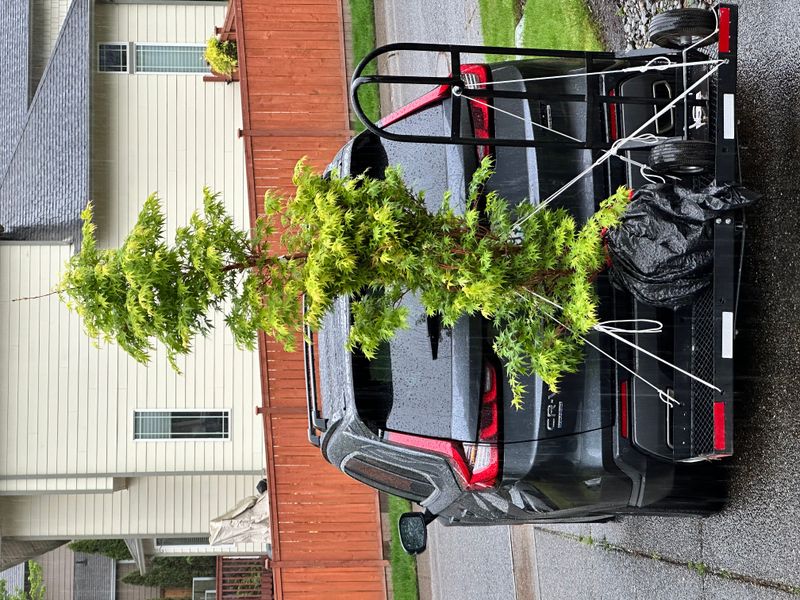
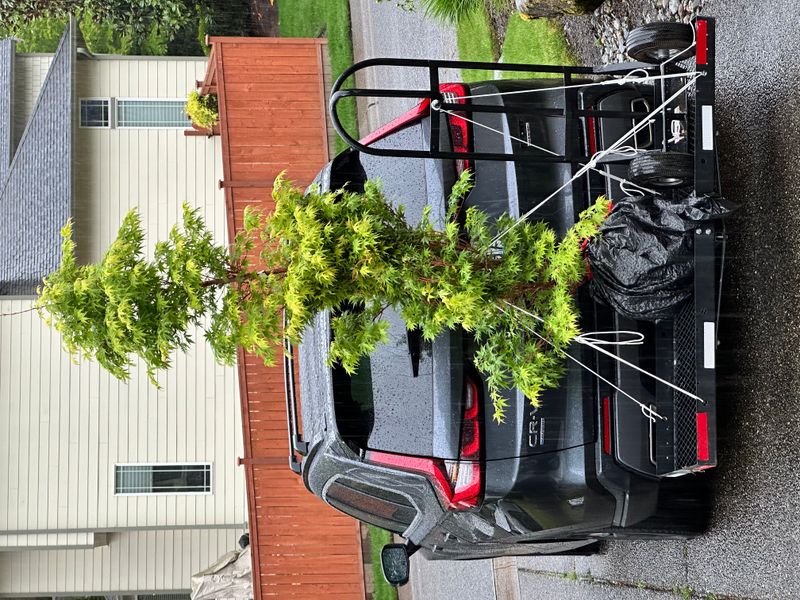
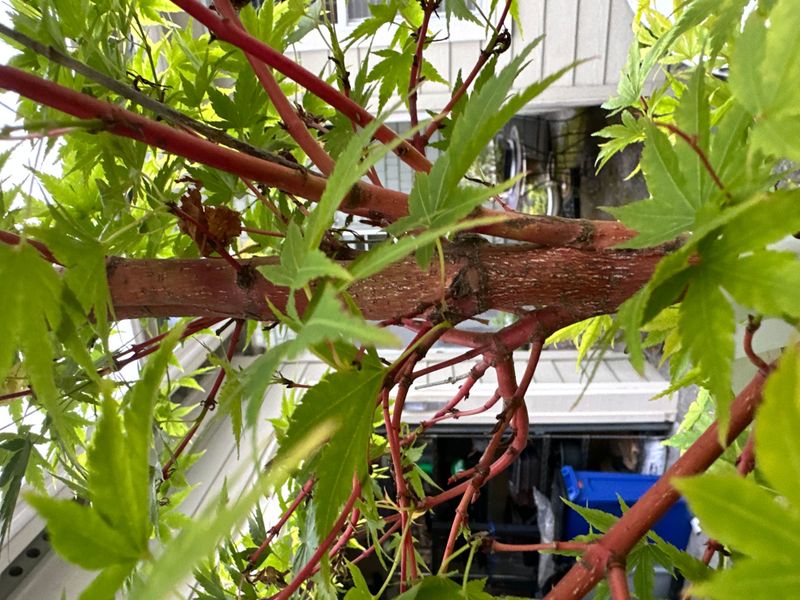
Japanese Maple 6

052-MapleJapanese-006

Japanese Maple 6

Coralbark Japanese Maple

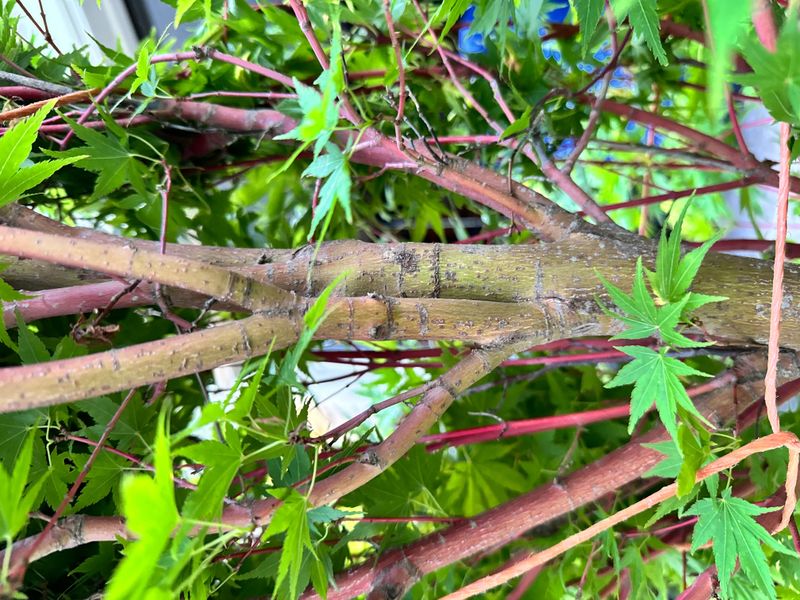
Coralbark Japanese Maple · Acer palmatum 'Sango-kaku'

Starter
1 of 2 · back to the benchNext →Japanese Maple 9

Open tasks1 overdue

Mid Summer
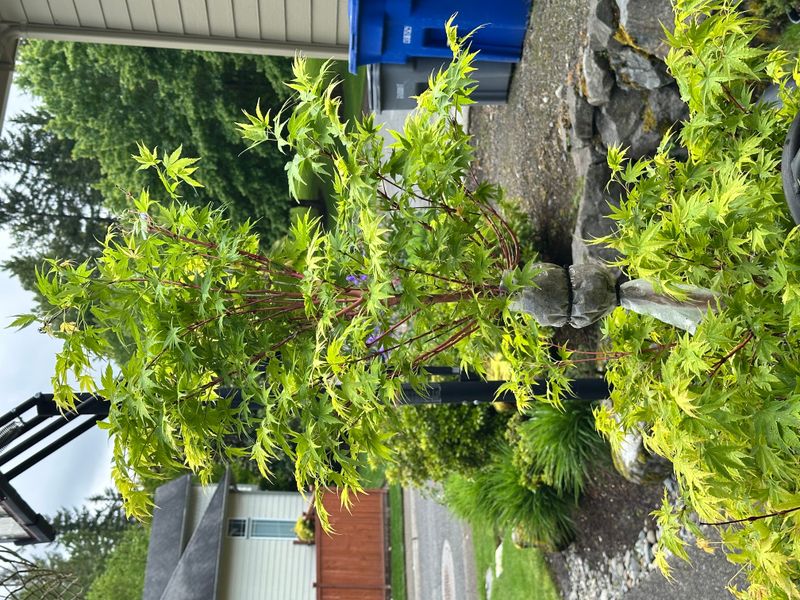
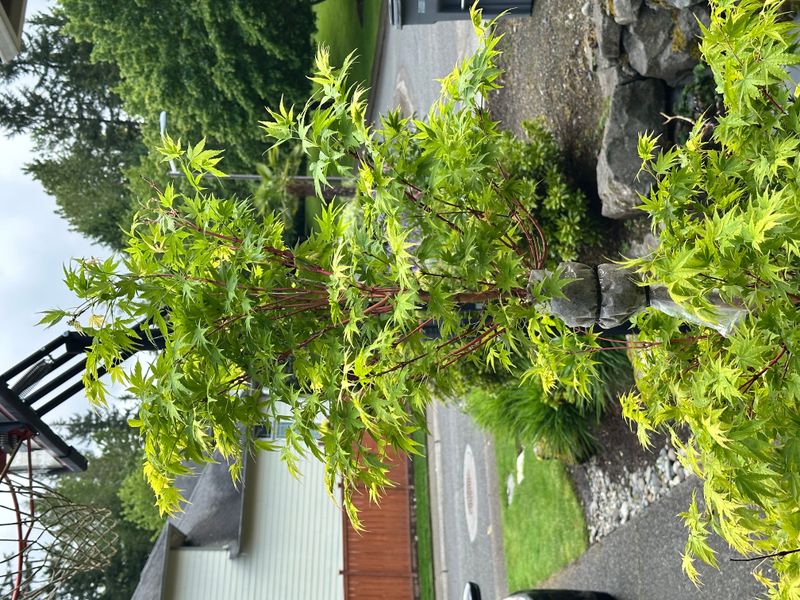
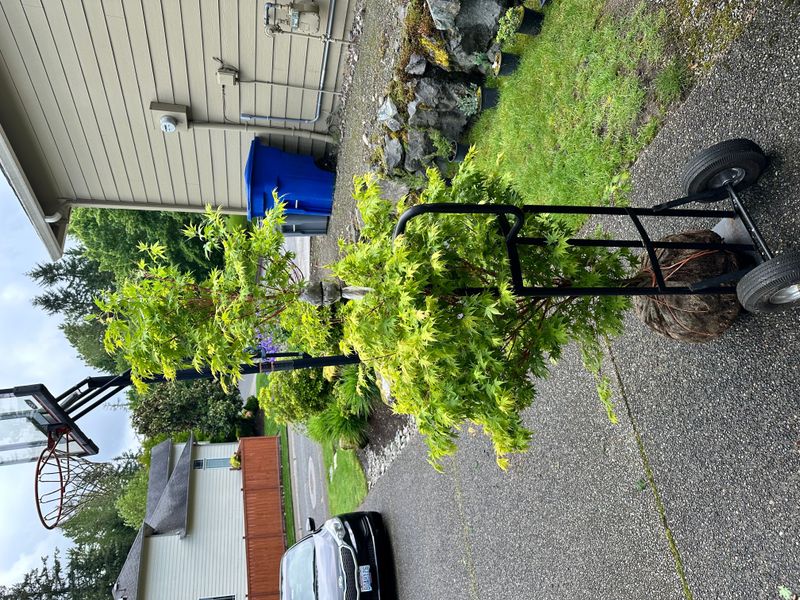
  • Other · Air layer added

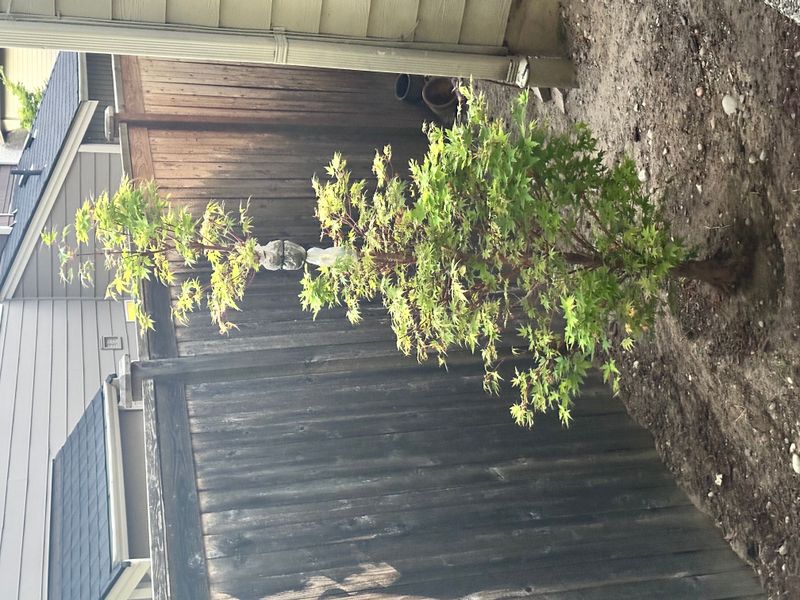
    Air layer added to top

    Overdue · 2025-09-15

Resolve overdue items mindfully — log as done, done late, deliberately skipped, or honestly missed.

Tree facts

Acquired
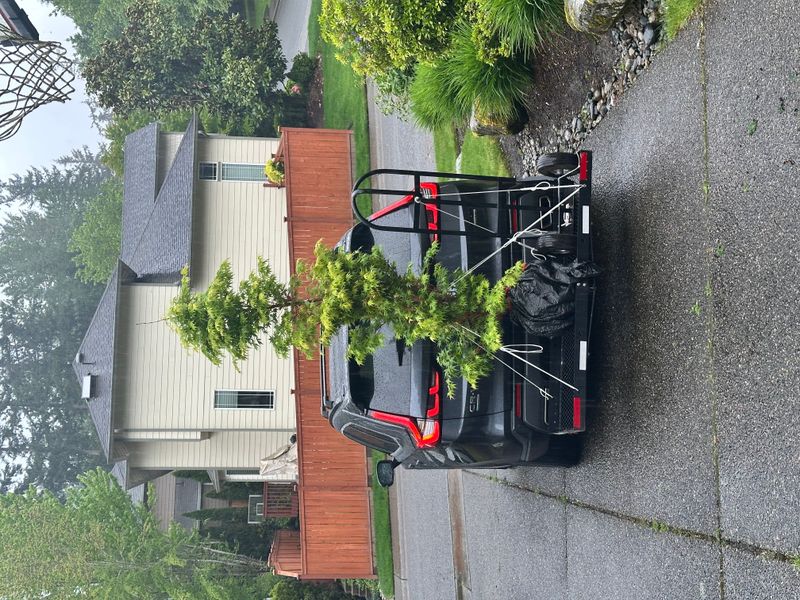
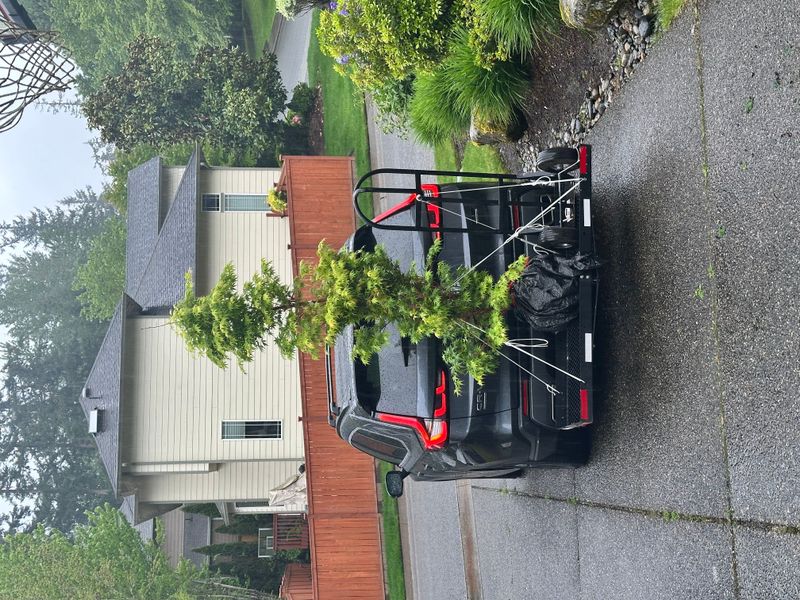
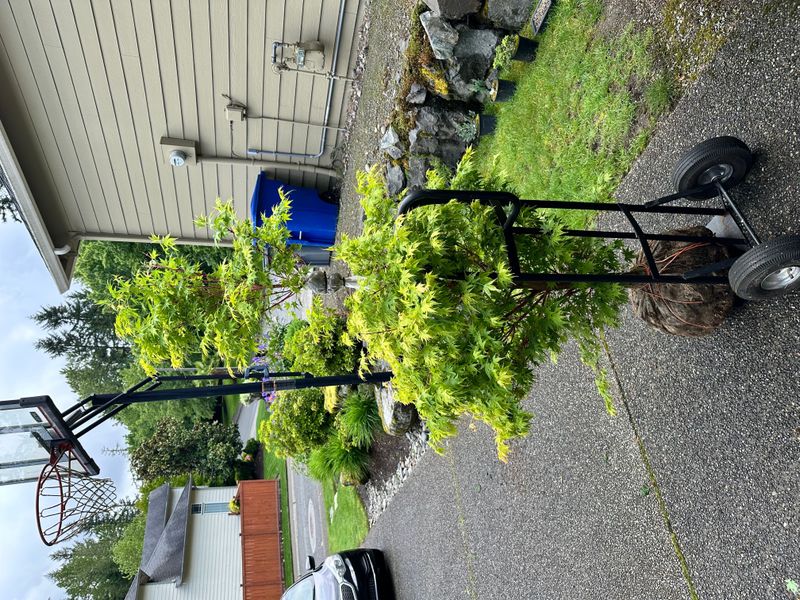
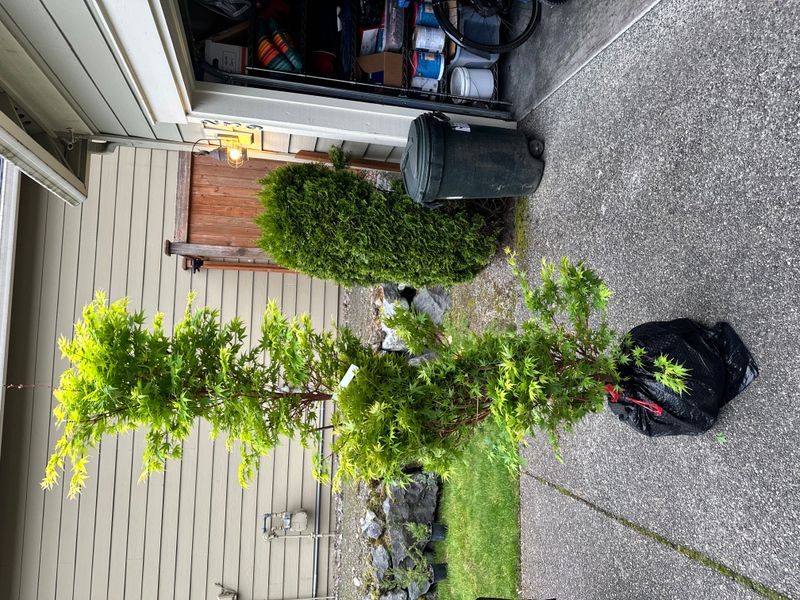
2025-05-16
Training started
2025-05-16
Origin
2005-04-01
Last touched
2026-06-12
Container
—
Style
—
Size
—
Exhibition-ready
No

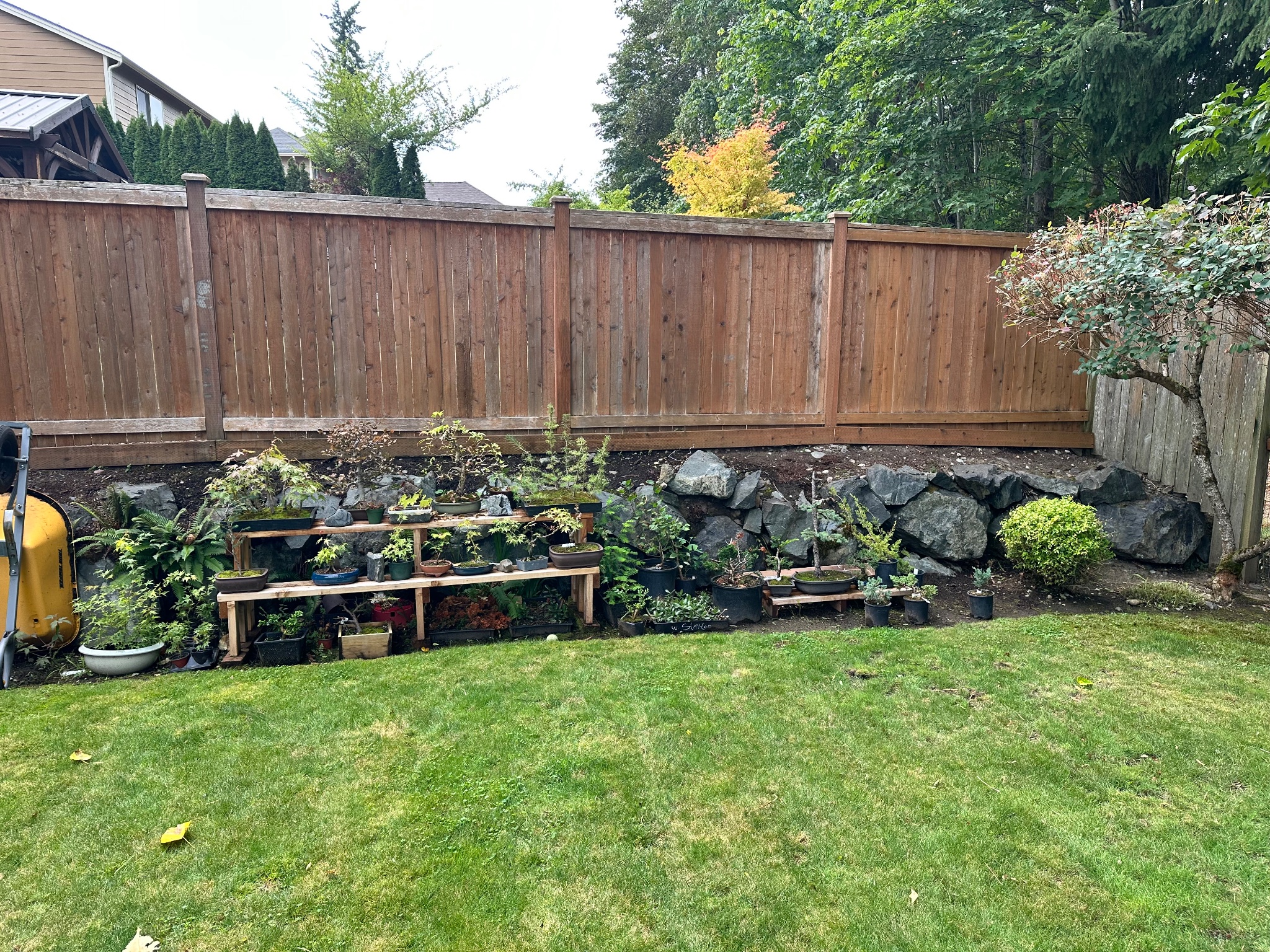
Purchased at Squak Mountain Nursery

Current care

Mid Summer
Watering
Monitor daily; ensure no drought stress.
Fertilization
Taper nitrogen; hold feed during hottest weeks.
Pruning
Pinch back soft spring growth; wait until fall for structure.
Pests Disease
Check for powdery mildew in humid weather.
Summer Protection
Ensure root ball doesn’t overheat—shade or pot insulation.
View full seasonal calendar →

Recent activity

8
  • 2026-06-12Fertilize
    BenchFertilized with liquid fertilizer.
  • 2026-05-09Other
    Back YardRemoved Air Layer, potted and put it in the shade.
  • 2025-11-02Observation
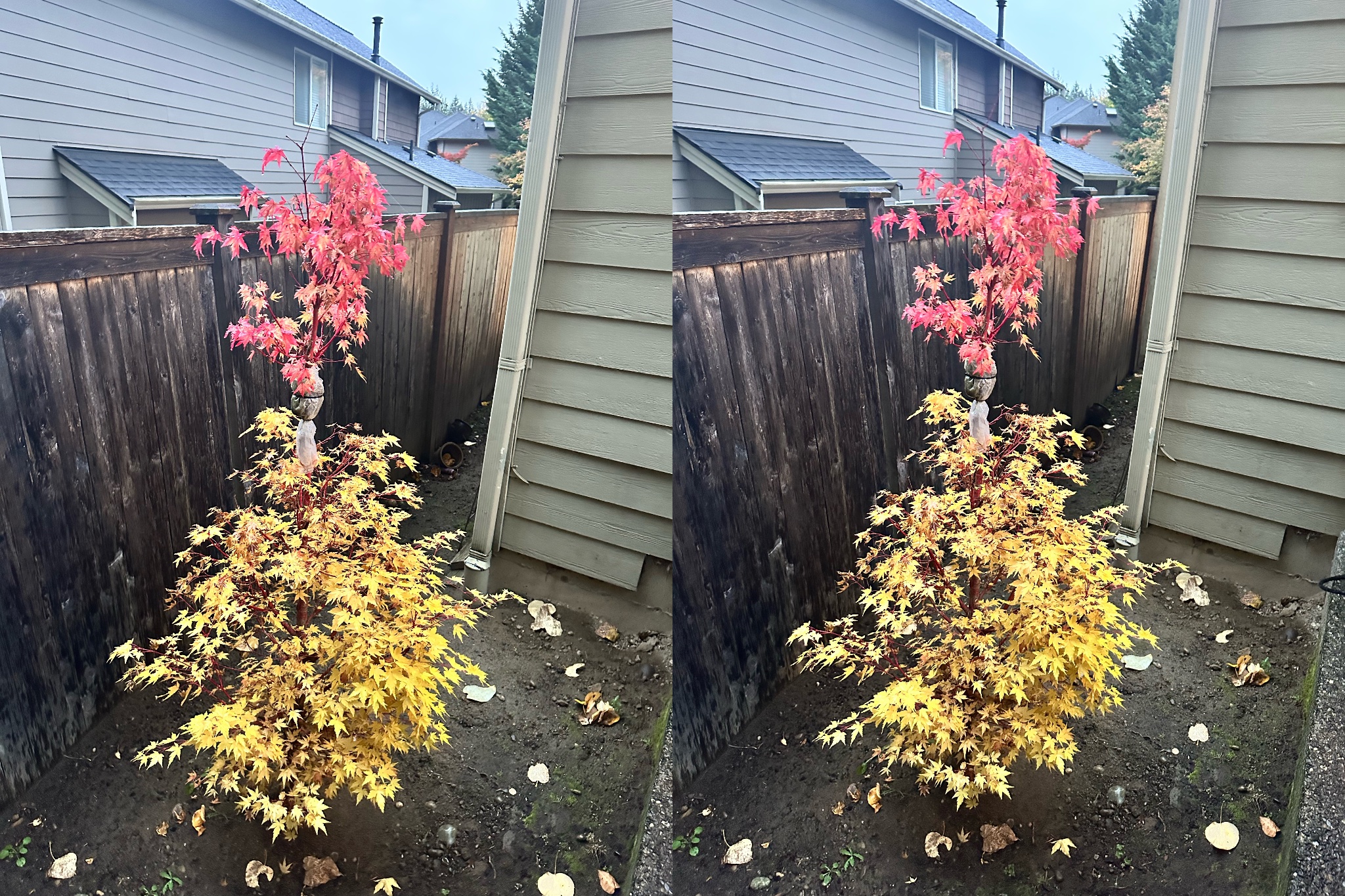
    OtherFall Happened.
  • 2025-10-23Observation
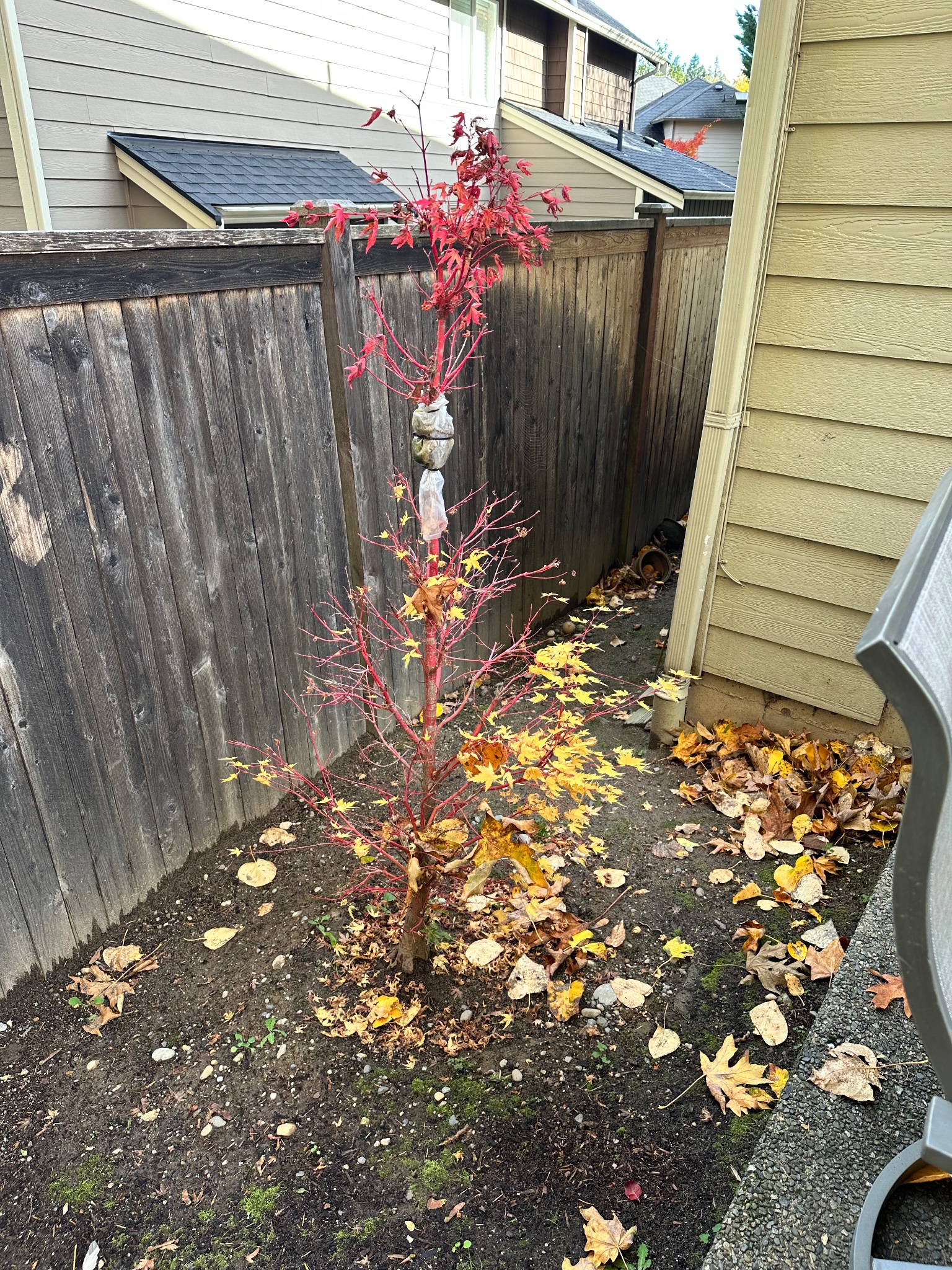
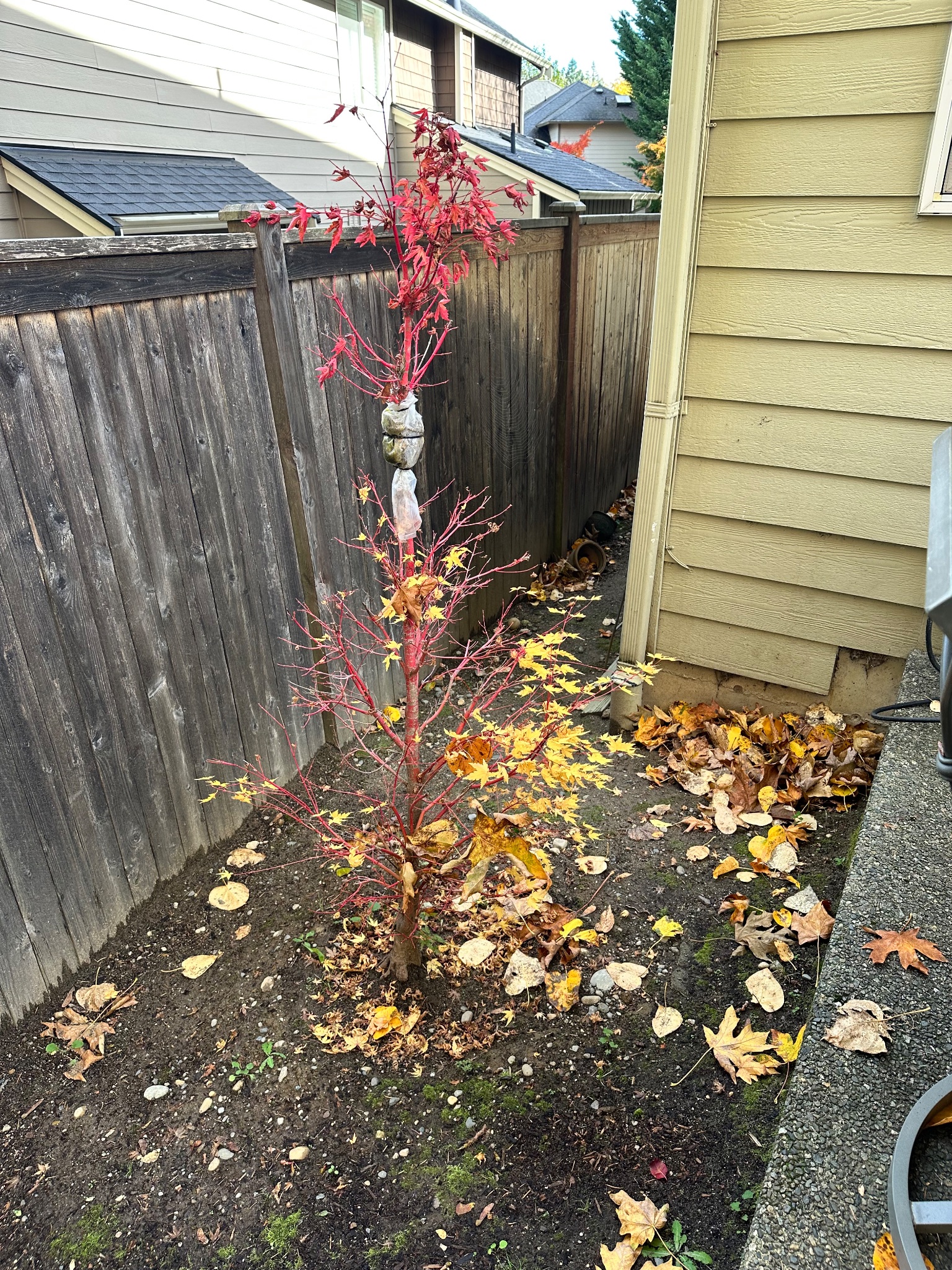
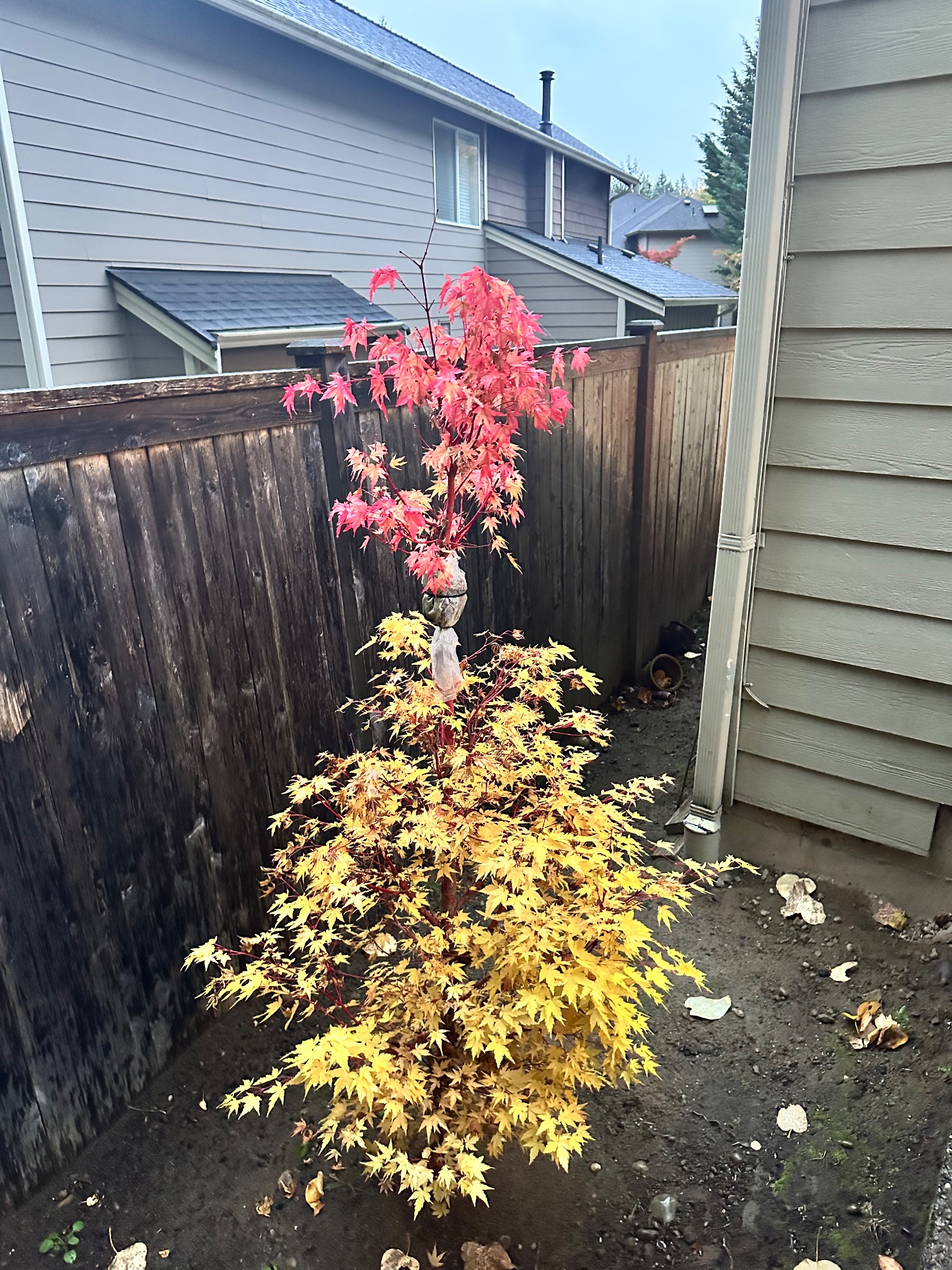
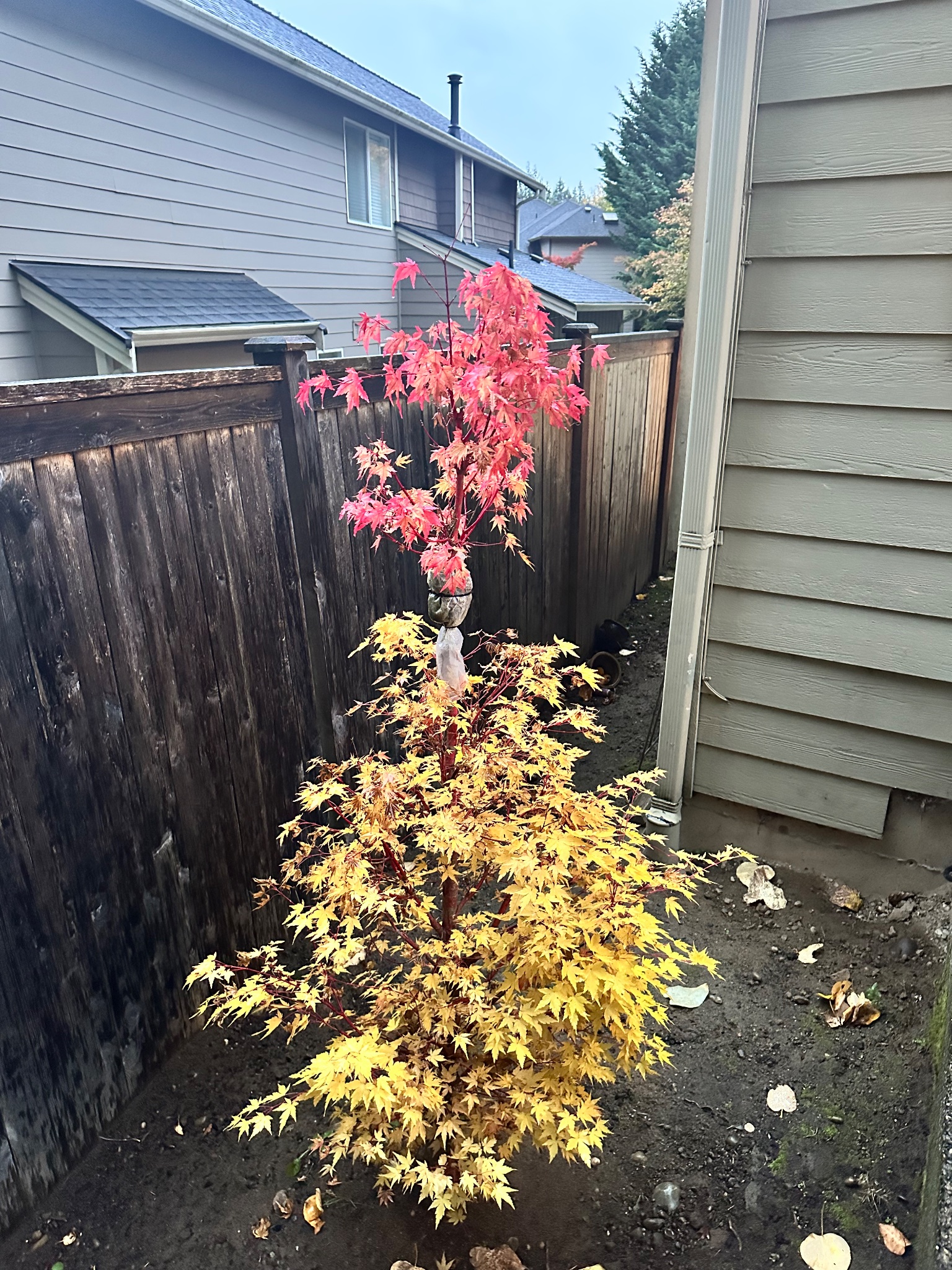
    OtherAir Layer Fall Colors
  • 2025-10-23Observation
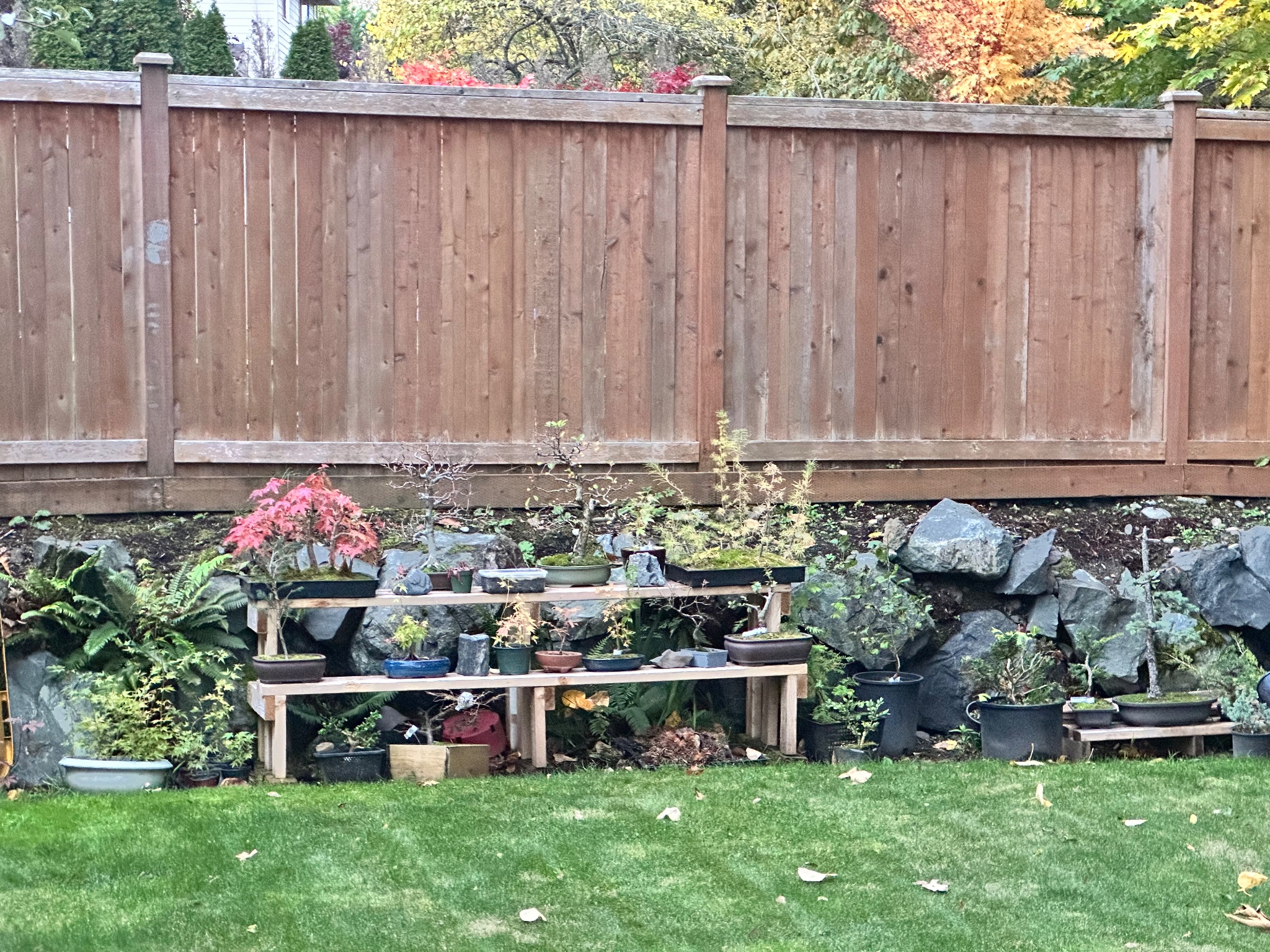
    BenchBench Photo
  • 2025-09-11Observation
    Study GroupBench Photo
  • 2025-07-13Observation
  • 2025-05-31Ground Plant
    OtherPlanted in ground
View full timeline →

About this tree

Read full story →

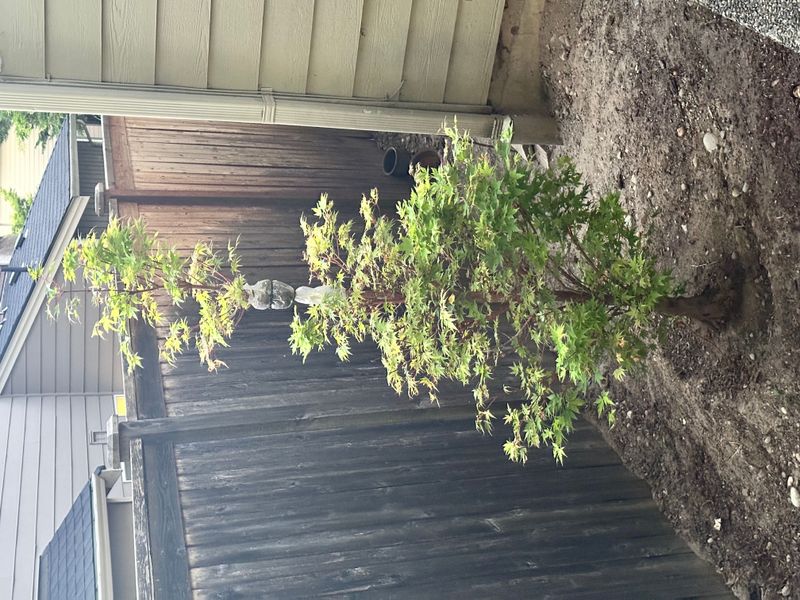
There are trees you grow, and there are trees that give. This is a giver, plain and profound. Her time in the spotlight will come, but not before she’s offered herself to the future. You can already count one air layer placed, with more to come, and in each of them is a promise: of form, of flame-colored bark, of grace yet to be shaped.

She isn’t rushing toward refinement or display. She stands, rooted in her quiet strength, allowing others to grow from her. This is a tree in service. Her trunk already hints at power, and with patience, she will bear taper earned honestly, through restraint, through generosity, through time.

In this garden, she will mother many. And someday, when her final layer is taken, when her trunk is cut back to begin again, she will have not only the makings of a fine bonsai, but the dignity of a tree who gave rise to a forest.

This is her story, not of what she is, but what she makes possible.

Care Plan

Here’s my season-by-season care plan that is mindful of her generosity, my intentions, and the patience this all deserves. It’s broken down by year and season, with attention to timing, health, and purpose.

This timeline ensures I’m never overloading her, I’m always acting with intention, and every cut, root, and layer serves a purpose. It’s a generational story—five trees born from one, each with time to establish itself.

2025 – First Offering, First Roots

  • Spring (done): Plant in ground for strength and initiate the air layer on the top section.

  • Summer: Monitor for callus and root development. Keep moist, shaded in afternoon sun, and don’t stress the tree further.

  • Autumn: If roots are visible and strong (unlikely but possible), you may separate. Otherwise, leave until spring 2026.

    • Concern around possible freezing temps in winter on the new roots. Needs more research.
  • Winter: Dormant rest. No pruning. No fertilizing. Let her consolidate energy.

2026 – Recovery & Round Two

  • Early Spring:

    • Separate first air layer if not already done. Pot gently and begin its own care track as a new pre-bonsai.
    • Apply balanced fertilizer once buds begin to swell on the parent tree.
  • Late Spring:

    • Initiate second air layer (mid-upper section with good branch structure).
  • Summer:

    • Shade, monitor for rooting. Continue balanced fertilization through midsummer, then switch to low nitrogen.
  • Autumn:

    • Same rhythm: separate if ready, or wait for spring 2027.
  • Winter:

    • Plan structural pruning only if energy is strong. I’ll try to be minimal while keeping future options viable. Focus still on stability and vigor.

2027 – Double Gifts and Transition Begins

  • Early Spring:

    • Separate second layer, if not already.

    • Initiate two new air layers:

      • One on the main trunk lower down.
      • One on a low branch.
  • Spring/Summer:

    • Fertilize consistently. Maintain airflow. Light defoliation only if density is causing inner dieback.
  • Autumn:

    • Monitor roots. May separate one or both by fall, or delay until 2028 spring.
  • Winter:

    • Begin observation of future leader selection for the mother tree. Allow sacrifice branches to continue developing taper. No major cuts yet.

2028 – Last Layer & Future Emerges

  • Early Spring:

    • Separate third and fourth air layers (if not already).

    • Initiate final air layer, the last possible upper trunk section.

    • Begin true training of the mother tree:

      • Reduce competing apexes.
      • Begin gentle clip-and-grow to guide taper and structure in new leader.
  • Summer:

    • Light pruning to balance vigor between leader and sacrifice branches.
    • Manage water and feeding precisely—favor slow, steady growth.
  • Autumn:

    • Evaluate readiness to separate final layer.
  • Winter (2028–29):

    • This is the pivot point. The mother becomes the focus. She has given what she could.

2029 and Beyond – Becoming Herself

  • Begin building branch structure slowly.
  • Focus on trunk taper and silhouette refinement.
  • Root work as needed in digging and repotting (likely 2030).
  • All former air layers now in development will have their progress tracked as individual trees with their own care logs.
  • Timeline
  • Photos
  • Story

Timeline

10 events

2026
  • 2026-06-12 21:33Fertilize
    Bench

    Fertilized with liquid fertilizer.

  • 2026-05-09 17:29Other
    Back Yard

    Removed Air Layer, potted and put it in the shade.

2025
  • 2025-11-02 03:55Observation
    Other

    Fall Happened.

    • Japanese Maple 6 — Observation — stereoscopic 3D
  • 2025-10-23 17:52Observation
    Other

    Air Layer Fall Colors

    • Japanese Maple 6 — Observation — stereoscopic 3D
    • Japanese Maple 6 — Observation — 2025-10-23
  • 2025-10-23 07:45Observation
    Bench

    Bench Photo

    • Japanese Maple 6 — Observation — 2025-10-23
  • 2025-09-11 13:53Observation
    Study Group

    Bench Photo

    • Japanese Maple 6 — Observation — 2025-09-11
  • 2025-07-13 21:14Observation
    • Japanese Maple 6 — Observation — stereoscopic 3D
  • 2025-05-31 19:00Ground Plant
    Other

    Planted in ground

  • 2025-05-17 12:00OtherAir layer added
    Study Group

    Air layer added to top

    • Japanese Maple 6 — Other — stereoscopic 3D
    • Japanese Maple 6 — Other — stereoscopic 3D
    • Japanese Maple 6 — Other — stereoscopic 3D
    • Japanese Maple 6 — Other — stereoscopic 3D
    • +4

    Follow-up due 2025-09-15 · Overdue

  • 2025-05-16 19:00OtherAcquired
    • Japanese Maple 6 — Other — 2025-05-16
    • Japanese Maple 6 — Other — 2025-05-16
    • Japanese Maple 6 — Other — 2025-05-16

Photos

November 2025

  • Japanese Maple 6 — Observation — 2025-11-02 — stereoscopic 3D
    ◉ 3D

October 2025

  • Japanese Maple 6 — Observation — 2025-10-24 — stereoscopic 3D
    ◉ 3D
  • Japanese Maple 6 — Observation — 2025-10-24
  • Japanese Maple 6 — Observation — 2025-10-23

September 2025

  • Japanese Maple 6 — Observation — 2025-09-11

July 2025

  • Japanese Maple 6 — Observation — 2025-07-14 — stereoscopic 3D
    ◉ 3D
  • Japanese Maple 6 — cover photoCover

May 2025

  • Japanese Maple 6 — Other — 2025-05-17
  • Japanese Maple 6 — Other — 2025-05-17
  • Japanese Maple 6 — Other — 2025-05-17 — stereoscopic 3D
    ◉ 3D
  • Japanese Maple 6 — Other — 2025-05-17 — stereoscopic 3D
    ◉ 3D
  • Japanese Maple 6 — Other — 2025-05-17
  • Japanese Maple 6 — Other — 2025-05-17
  • Japanese Maple 6 — Other — 2025-05-17 — stereoscopic 3D
    ◉ 3D
  • Japanese Maple 6 — Other — 2025-05-17 — stereoscopic 3D
    ◉ 3D
  • Japanese Maple 6 — Other — 2025-05-17
  • Japanese Maple 6 — Other — 2025-05-17
  • Japanese Maple 6 — Other — 2025-05-17

Story

There are trees you grow, and there are trees that give. This is a giver, plain and profound. Her time in the spotlight will come, but not before she’s offered herself to the future. You can already count one air layer placed, with more to come, and in each of them is a promise: of form, of flame-colored bark, of grace yet to be shaped.

She isn’t rushing toward refinement or display. She stands, rooted in her quiet strength, allowing others to grow from her. This is a tree in service. Her trunk already hints at power, and with patience, she will bear taper earned honestly, through restraint, through generosity, through time.

In this garden, she will mother many. And someday, when her final layer is taken, when her trunk is cut back to begin again, she will have not only the makings of a fine bonsai, but the dignity of a tree who gave rise to a forest.

This is her story, not of what she is, but what she makes possible.

Care Plan

Here’s my season-by-season care plan that is mindful of her generosity, my intentions, and the patience this all deserves. It’s broken down by year and season, with attention to timing, health, and purpose.

This timeline ensures I’m never overloading her, I’m always acting with intention, and every cut, root, and layer serves a purpose. It’s a generational story—five trees born from one, each with time to establish itself.

2025 – First Offering, First Roots

  • Spring (done): Plant in ground for strength and initiate the air layer on the top section.

  • Summer: Monitor for callus and root development. Keep moist, shaded in afternoon sun, and don’t stress the tree further.

  • Autumn: If roots are visible and strong (unlikely but possible), you may separate. Otherwise, leave until spring 2026.

    • Concern around possible freezing temps in winter on the new roots. Needs more research.
  • Winter: Dormant rest. No pruning. No fertilizing. Let her consolidate energy.

2026 – Recovery & Round Two

  • Early Spring:

    • Separate first air layer if not already done. Pot gently and begin its own care track as a new pre-bonsai.
    • Apply balanced fertilizer once buds begin to swell on the parent tree.
  • Late Spring:

    • Initiate second air layer (mid-upper section with good branch structure).
  • Summer:

    • Shade, monitor for rooting. Continue balanced fertilization through midsummer, then switch to low nitrogen.
  • Autumn:

    • Same rhythm: separate if ready, or wait for spring 2027.
  • Winter:

    • Plan structural pruning only if energy is strong. I’ll try to be minimal while keeping future options viable. Focus still on stability and vigor.

2027 – Double Gifts and Transition Begins

  • Early Spring:

    • Separate second layer, if not already.

    • Initiate two new air layers:

      • One on the main trunk lower down.
      • One on a low branch.
  • Spring/Summer:

    • Fertilize consistently. Maintain airflow. Light defoliation only if density is causing inner dieback.
  • Autumn:

    • Monitor roots. May separate one or both by fall, or delay until 2028 spring.
  • Winter:

    • Begin observation of future leader selection for the mother tree. Allow sacrifice branches to continue developing taper. No major cuts yet.

2028 – Last Layer & Future Emerges

  • Early Spring:

    • Separate third and fourth air layers (if not already).

    • Initiate final air layer, the last possible upper trunk section.

    • Begin true training of the mother tree:

      • Reduce competing apexes.
      • Begin gentle clip-and-grow to guide taper and structure in new leader.
  • Summer:

    • Light pruning to balance vigor between leader and sacrifice branches.
    • Manage water and feeding precisely—favor slow, steady growth.
  • Autumn:

    • Evaluate readiness to separate final layer.
  • Winter (2028–29):

    • This is the pivot point. The mother becomes the focus. She has given what she could.

2029 and Beyond – Becoming Herself

  • Begin building branch structure slowly.
  • Focus on trunk taper and silhouette refinement.
  • Root work as needed in digging and repotting (likely 2030).
  • All former air layers now in development will have their progress tracked as individual trees with their own care logs.

Current care

Mid Summer
Watering
Monitor daily; ensure no drought stress.
Fertilization
Taper nitrogen; hold feed during hottest weeks.
Pruning
Pinch back soft spring growth; wait until fall for structure.
Pests Disease
Check for powdery mildew in humid weather.
Summer Protection
Ensure root ball doesn’t overheat—shade or pot insulation.
View full seasonal calendar →

Recent activity

8
  • 2026-06-12Fertilize
    BenchFertilized with liquid fertilizer.
  • 2026-05-09Other
    Back YardRemoved Air Layer, potted and put it in the shade.
  • 2025-11-02Observation
    OtherFall Happened.
  • 2025-10-23Observation
    OtherAir Layer Fall Colors
  • 2025-10-23Observation
    BenchBench Photo
  • 2025-09-11Observation
    Study GroupBench Photo
  • 2025-07-13Observation
  • 2025-05-31Ground Plant
    OtherPlanted in ground
View full timeline →

Paths onward

BackThe Coralbark Japanese Maple bench1 sibling share this bench.ReferenceCoralbark Japanese Maple, the speciesCare profile, seasonal calendar, placement and watering notes.TodayThe AlmanacThis tree has 1 open follow-up — see it with today’s asks.
Mossy Spot · PNW · Zone 8bgrow slowly
Mossy Spot❧The Garden❧Coralbark Japanese Maple❧Japanese Maple 6
73° Clear · Mid Summer
Sign in