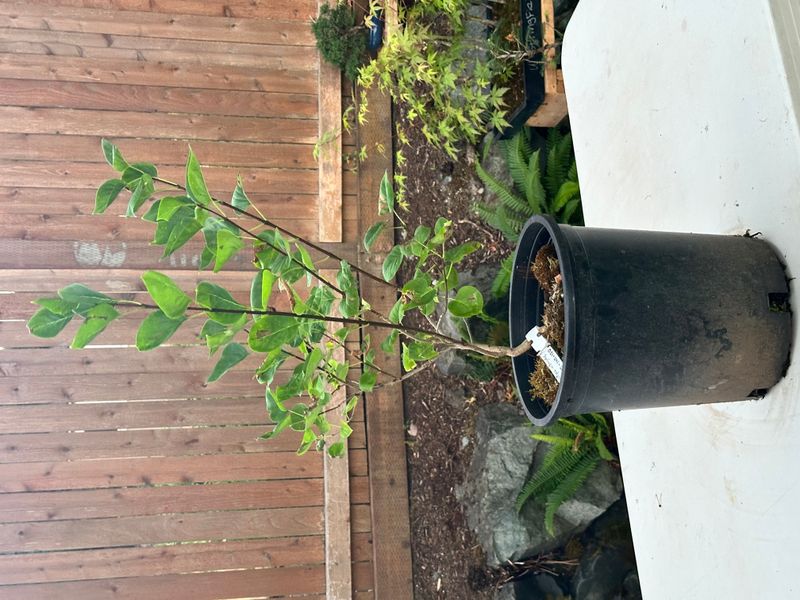
Syringa vulgaris 'Sensation'
Lilac Sensation
Deciduous shrub with strong bloom and fragrance; coarse but charming seasonal impact.
DeciduousBroadleaf
Now: Mid Spring
- watering
- Regular watering; avoid overhead watering on buds.
- fertilization
- Continue every 10-14 days until flowering.
- wiring
- Fine wiring for refinement.
- bud shoot management
- Allow flowering buds to open naturally.
- pests disease
- Monitor for powdery mildew in humid weather.
- display
- Peak flowering period. Ideal for exhibition.
Care Guide
Placement
Full sun
Needs direct sun to bloom well.
Watering
Moderate
Prefers consistent moisture - avoid waterlogging.
Fertilization
Balanced
Balanced feed promotes bloom and healthy branching.
Pruning
Structural in early spring, maintenance after flowering
Prune faded flowers to redirect energy into shoots.
Wiring
Spring or Autumn
Wire before spring growth; prune to shape after bloom.
Repotting
Every 2-3 years
Repot early spring; avoid while flowering.
Propagation
Cuttings or seed
Softwood cuttings root in spring with hormone.
Winter: Hardy; flower buds can be damaged by hard frost.
Summer: Water deeply to support flowering and leaf health.
Zone 8b: Late frost may kill blooms
Seasonal Calendar
Late Dormancy02-15 — 03-10
- watering
- Water sparingly but do not allow root ball to fully dry out. Keep just moist.
- repotting
- Start preparing repotting materials. Suitable for early repot if buds swell.
- pests disease
- Watch for scale overwintering in bark crevices.
- winter protection
- Keep in unheated but frost-sheltered environment.
- development
- Evaluate primary branch structure and nebari.
Early Spring03-11 — 04-15
- watering
- Increase frequency slightly. Buds begin to swell.
- fertilization
- Begin mild organic feeding with balanced NPK or slow-release fertilizer.
- repotting
- Prime repotting window before flowering. Avoid root disturbance afterward.
- pruning
- Avoid major pruning until after flowering.
- wiring
- Wire new shoots before lignification.
- bud shoot management
- Monitor and preserve flower buds.
- pests disease
- Aphids may begin to appear. Treat with neem or soap.
- winter protection
- Transition gradually to outdoor sun exposure.
- wound management
- Seal large cuts. Avoid excessive paste.
- development
- Shape during wiring and structure correction.
Mid Spring04-16 — 05-10Now
- watering
- Regular watering; avoid overhead watering on buds.
- fertilization
- Continue every 10-14 days until flowering.
- wiring
- Fine wiring for refinement.
- bud shoot management
- Allow flowering buds to open naturally.
- pests disease
- Monitor for powdery mildew in humid weather.
- display
- Peak flowering period. Ideal for exhibition.
Late Spring05-11 — 05-31
- watering
- Slightly increase during bloom.
- fertilization
- Pause feeding during peak flowering.
- repotting
- Not advised.
- pruning
- Post-bloom pruning. Remove old panicles to encourage branching.
- bud shoot management
- Deadhead spent flowers promptly.
- pests disease
- Monitor caterpillars and leaf miners.
- summer protection
- Provide slight shading if early heat occurs.
- propagation
- Softwood cuttings can be started.
- development
- Shift from flower care to vegetative development.
- display
- Late flowers may still be present.
Early Summer06-01 — 06-30
- watering
- Water deeply. Mulch surface with sphagnum to retain moisture.
- fertilization
- Resume feeding post-flower. High potassium to support branching.
- pruning
- Refine shape. Remove unwanted shoots.
- bud shoot management
- Pinch vigorous water shoots if necessary.
- pests disease
- Watch for borers and leaf spot.
- summer protection
- Partial shade from midday sun prevents leaf scorch.
- propagation
- Soft/semi-hardwood cuttings ideal now.
- development
- Encourage shoot ramification.
Mid Summer07-01 — 08-10
- watering
- High demand. Maintain soil moisture.
- fertilization
- Continue monthly with organic or slow-release.
- pruning
- Light trimming to encourage branching.
- pests disease
- Continue mildew and pest monitoring.
- summer protection
- Use shade cloth or dappled shade.
Late Summer08-11 — 08-31
- watering
- Reduce frequency slightly if temps fall.
- fertilization
- Last feeding should be low nitrogen, high potassium.
- pruning
- Avoid major cuts; only tip prune if needed.
- pests disease
- Clean debris around tree. Prevent fungal buildup.
- development
- Allow shoots to harden. No active shaping.
Early Fall09-01 — 09-30
- watering
- Adjust to weather. Ensure soil doesn’t stay soggy.
- pruning
- Remove suckers, root sprouts, and base growth.
- wiring
- Best time to wire lignified branches.
- pests disease
- Sanitize foliage and soil surface.
Mid Fall10-01 — 10-31
- watering
- Monitor rainfall. Water if dry spells persist.
- pruning
- Finish clean-up pruning.
- wiring
- Complete any wiring before bark sets fully.
- pests disease
- Clean around roots. Remove fallen leaves.
- winter protection
- Begin planning storage for dormancy.
Late Fall11-01 — 11-15
- watering
- Reduce; allow near-dryness before rewatering.
- wiring
- Check wires for bite and remove if necessary.
- pests disease
- Final pest treatment if needed.
- winter protection
- Move into sheltered cold frame by end of period.
Early Winter11-16 — 12-31
- watering
- Minimal watering. Ensure no freeze in root zone.
- pests disease
- Check monthly for overwintering insects.
- winter protection
- Maintain dormant environment. Avoid temperature swings.
Mid Winter01-01 — 01-31
- watering
- Sparingly. Only when soil is dry and above freezing.
- pests disease
- Continue monthly inspections.
- winter protection
- Vent cold frame on sunny days to prevent mold.
- development
- Plan early spring interventions.
Late Winter02-01 — 02-14
- watering
- Lightly water. Buds may begin to swell.
- repotting
- Prepare for early spring repotting window.
- winter protection
- Begin acclimating tree to light and air.