

Story
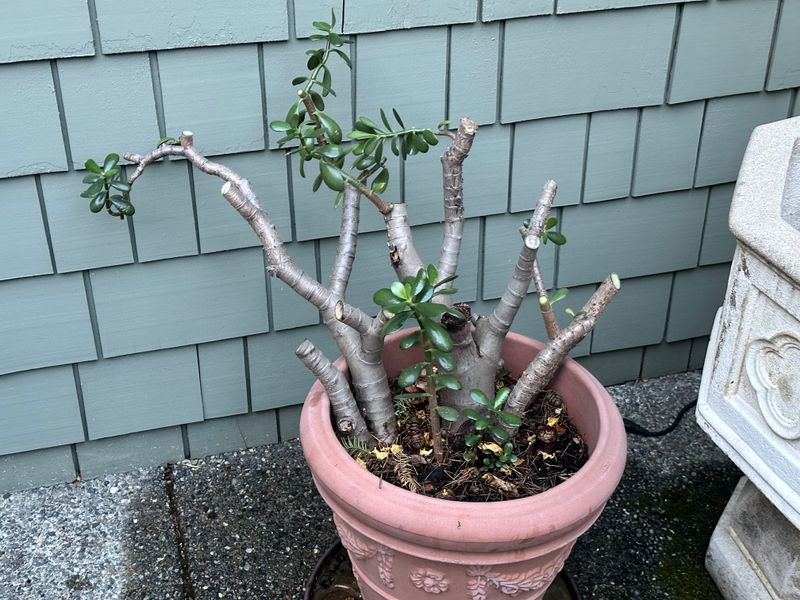
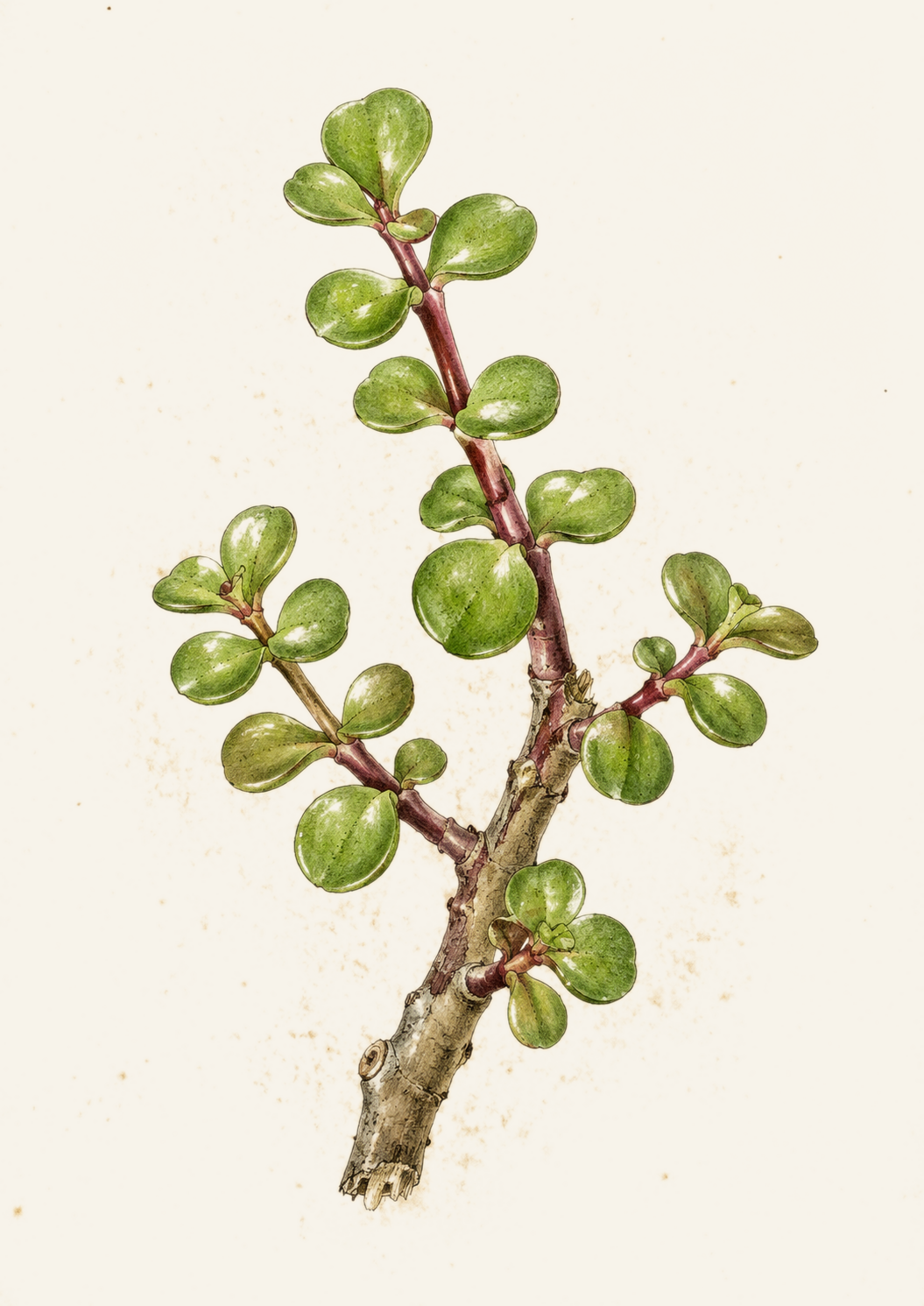
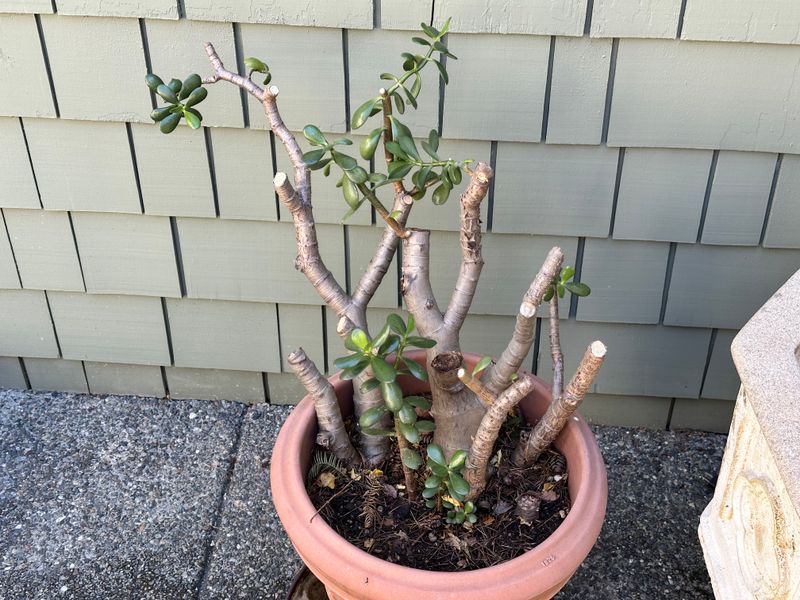
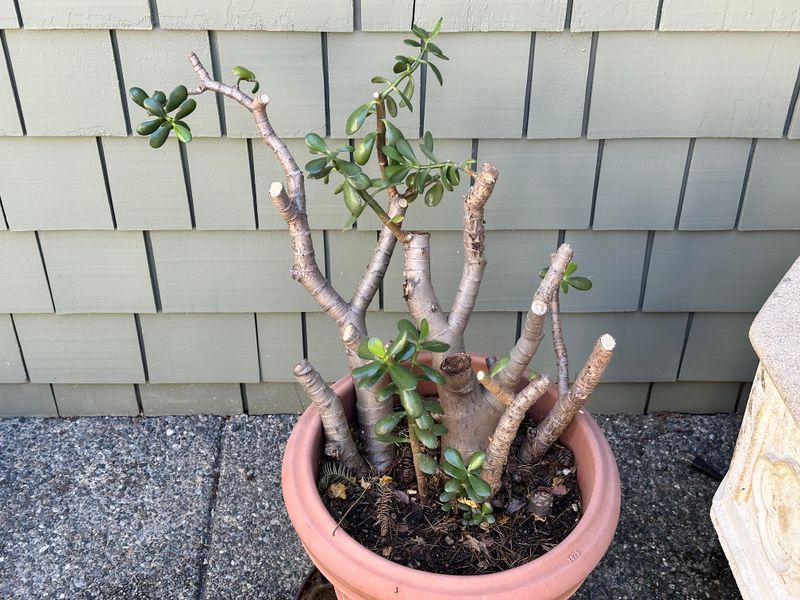
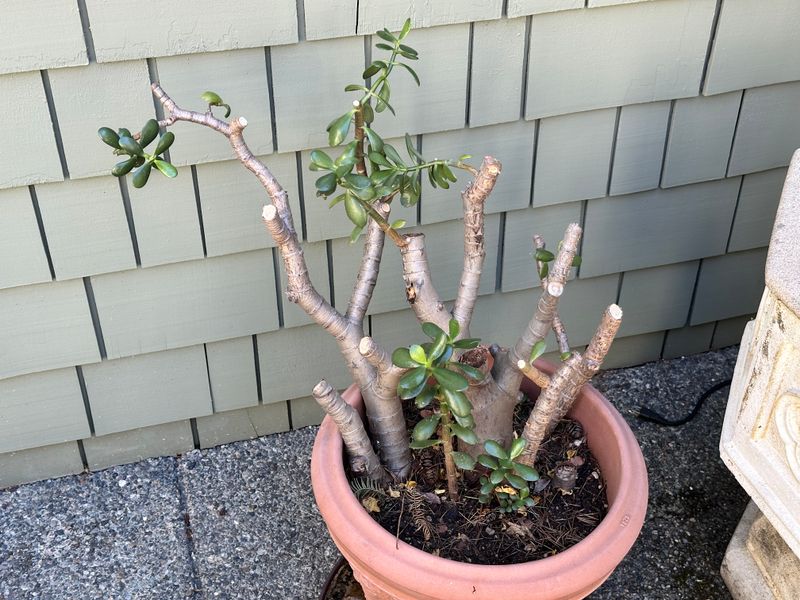
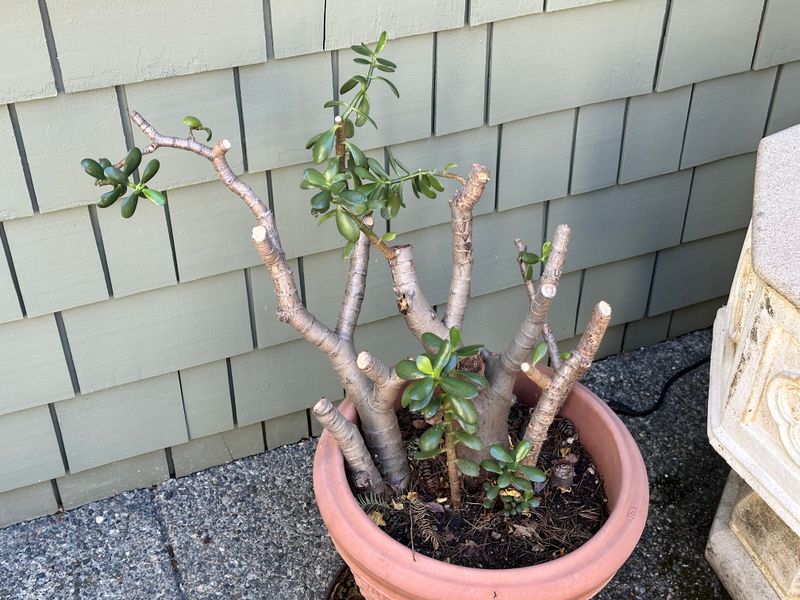
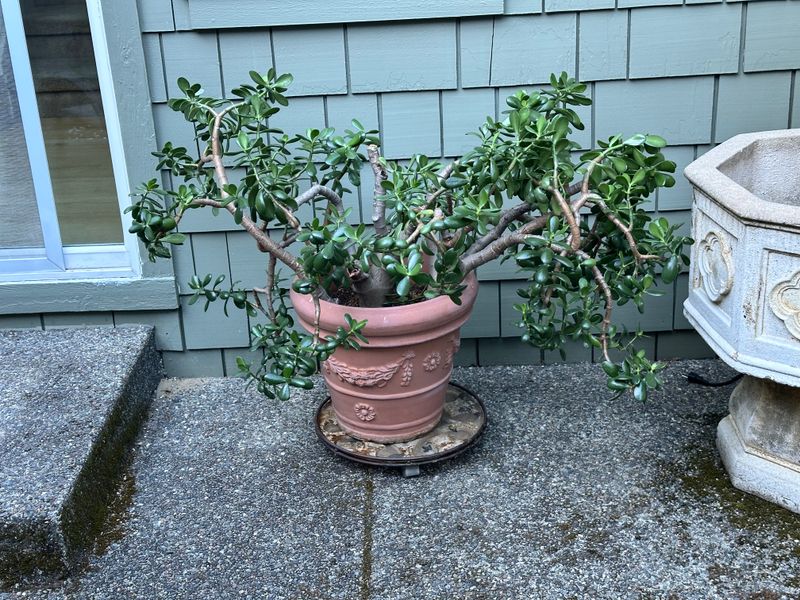
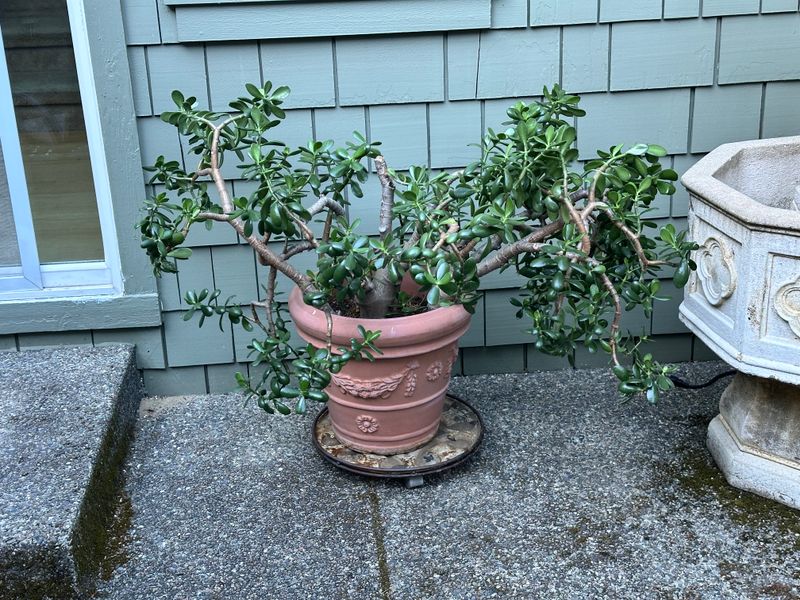
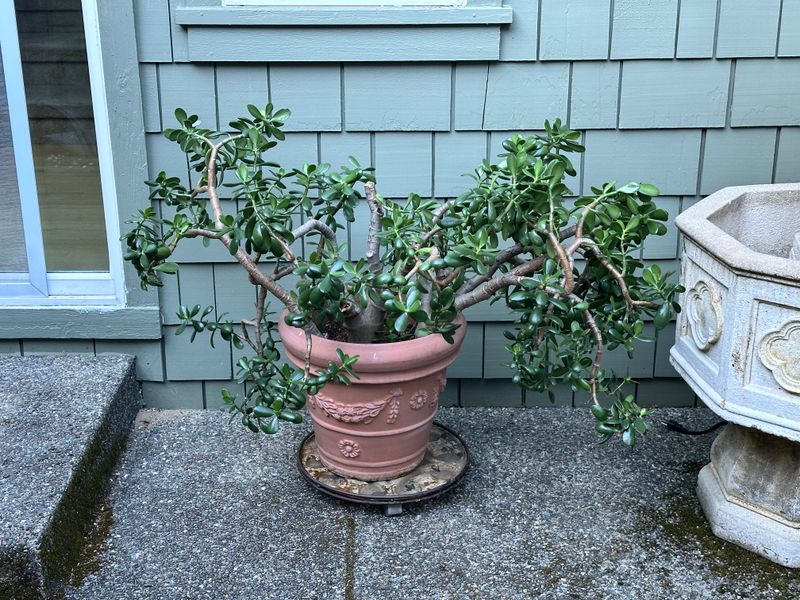
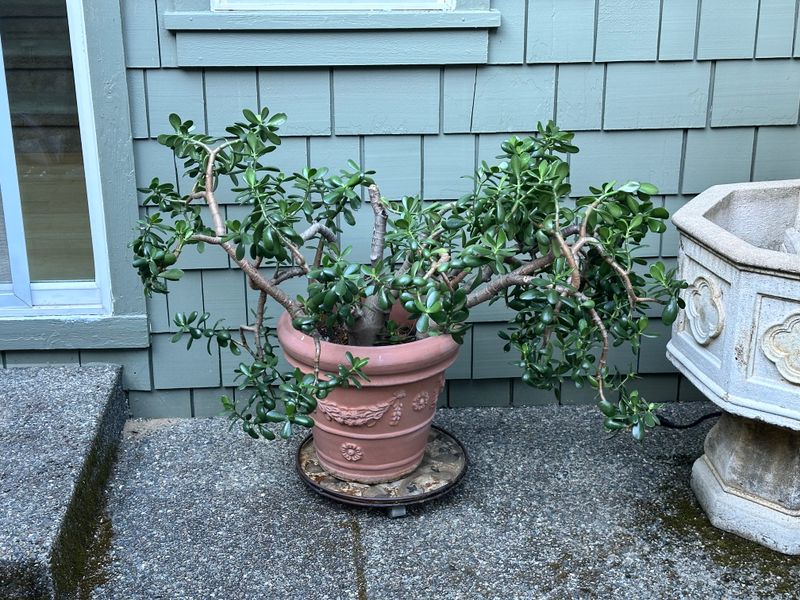
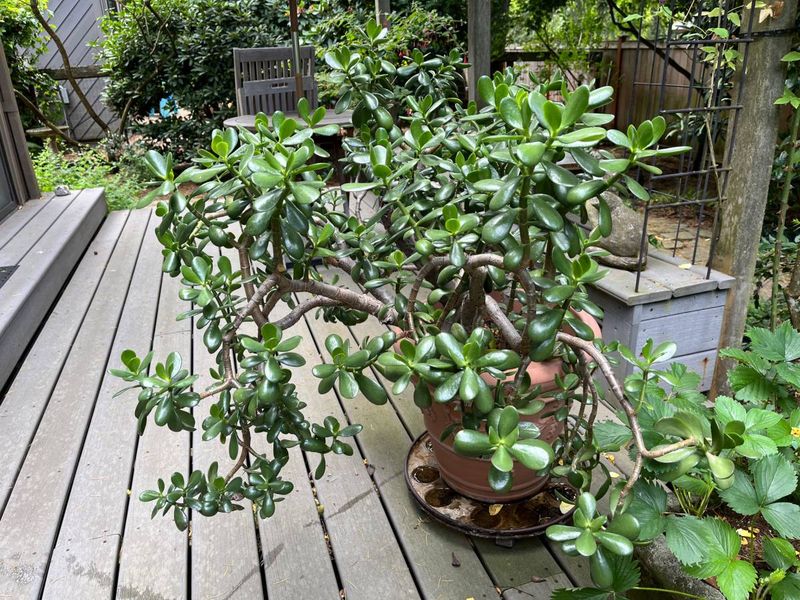
This is Mary’s Jade, a legacy wrapped in succulent leaves. Grown from a cutting in 1975 by Polly in Seattle to commemorate her daughter Mary’s birth, this Portulacaria afra has spent half a century basking in the light of their back sliding glass door and summering on the back patio, growing with quiet determination. With its thick, muscular trunk and sweeping branches, it speaks of both endurance and kindness.
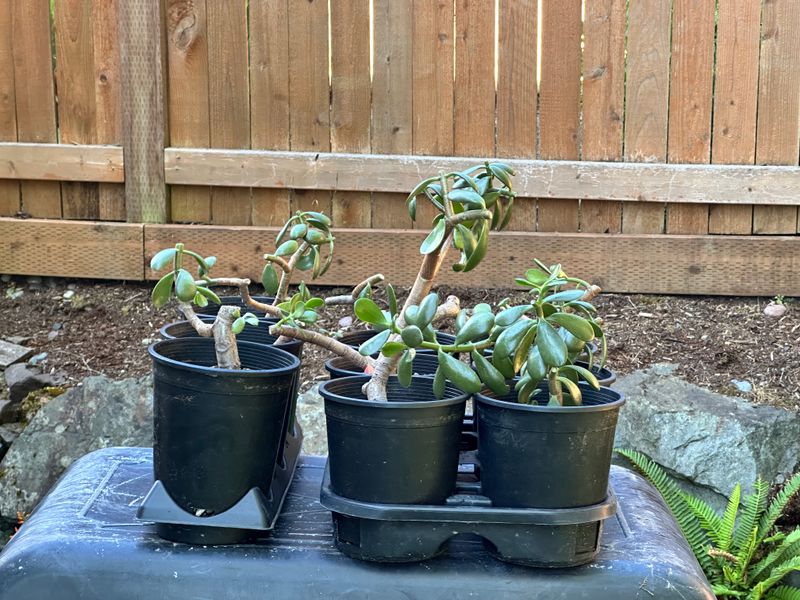
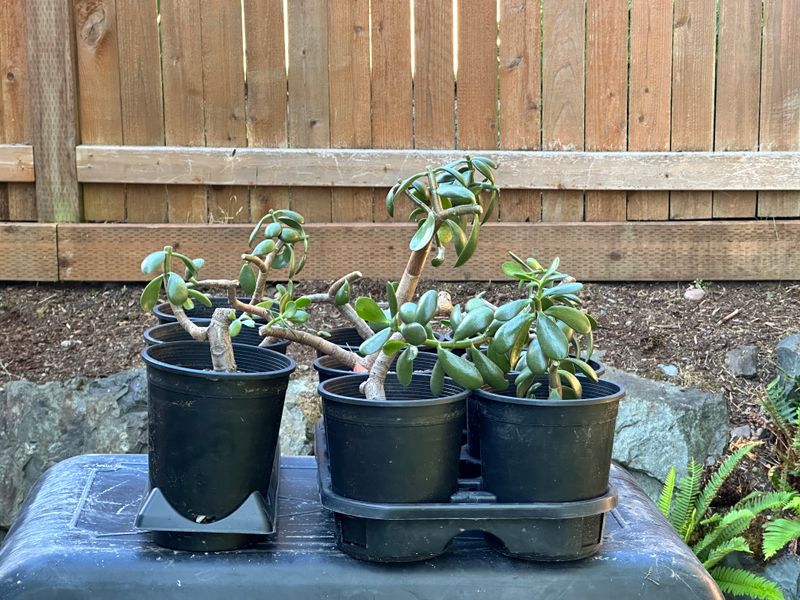
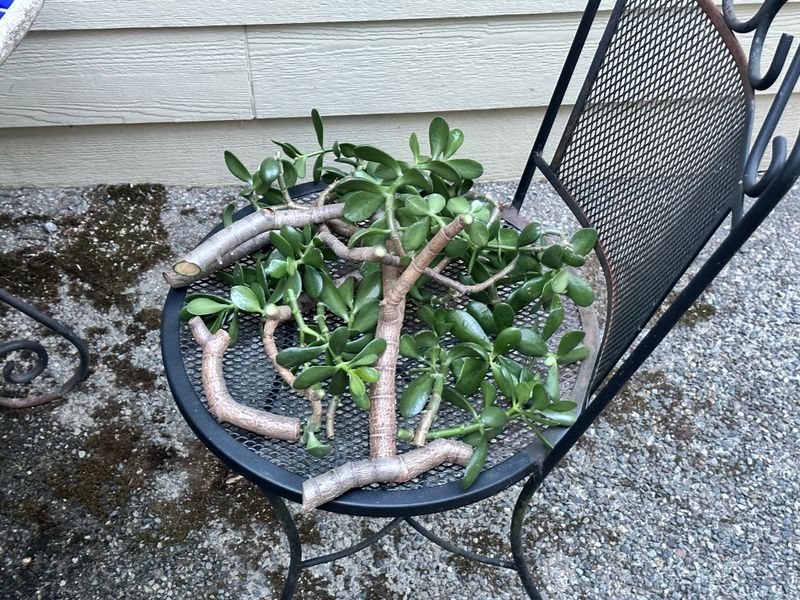
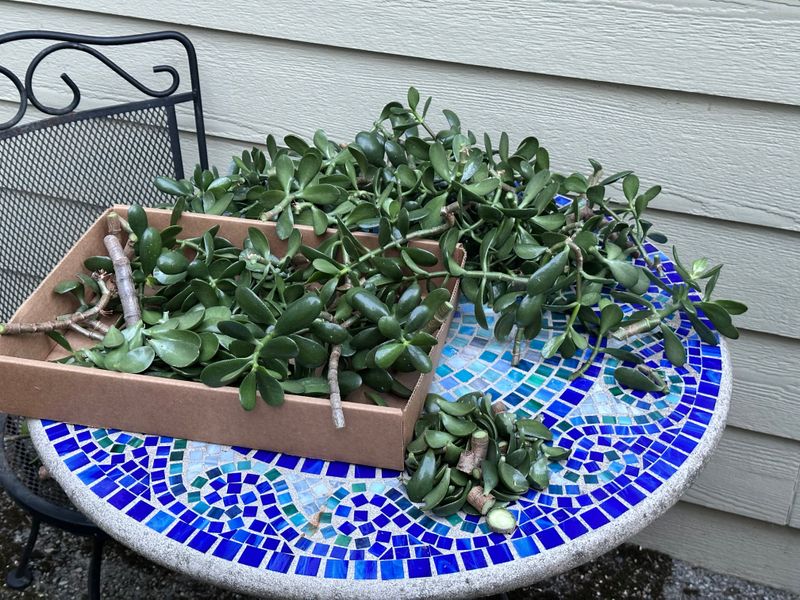
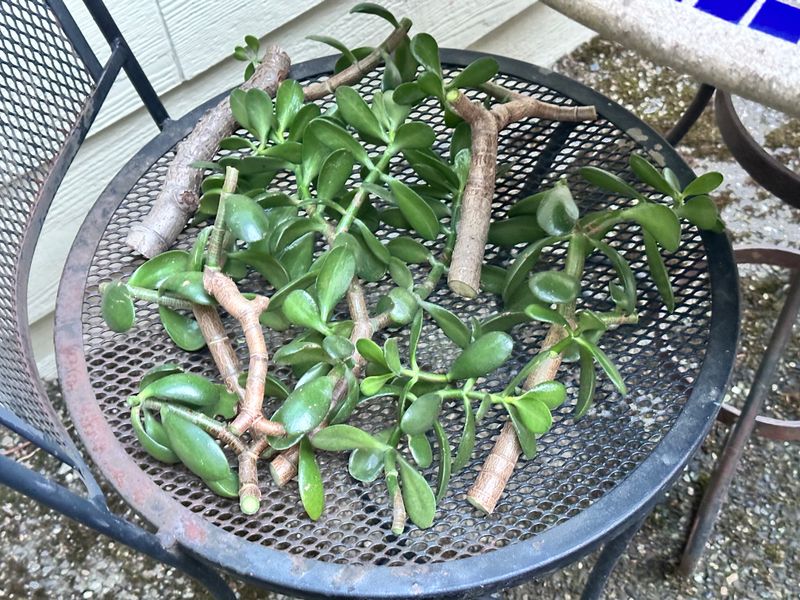
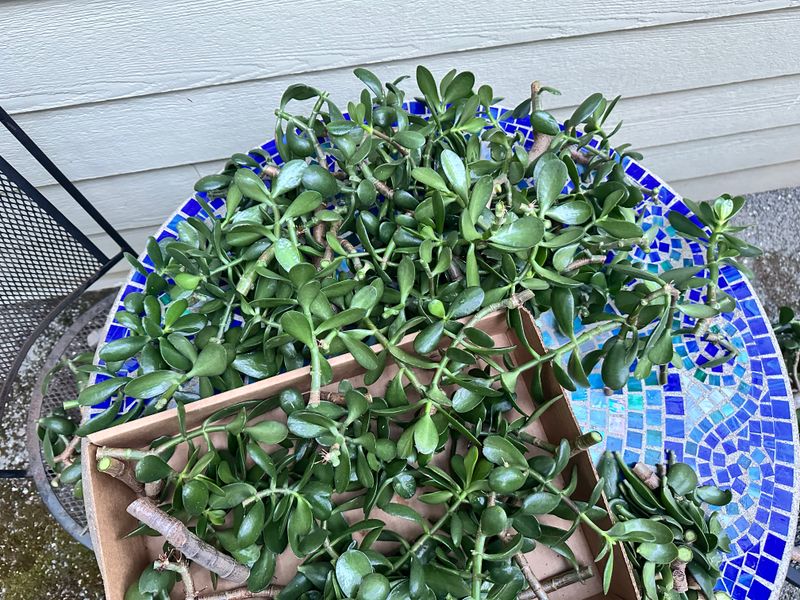
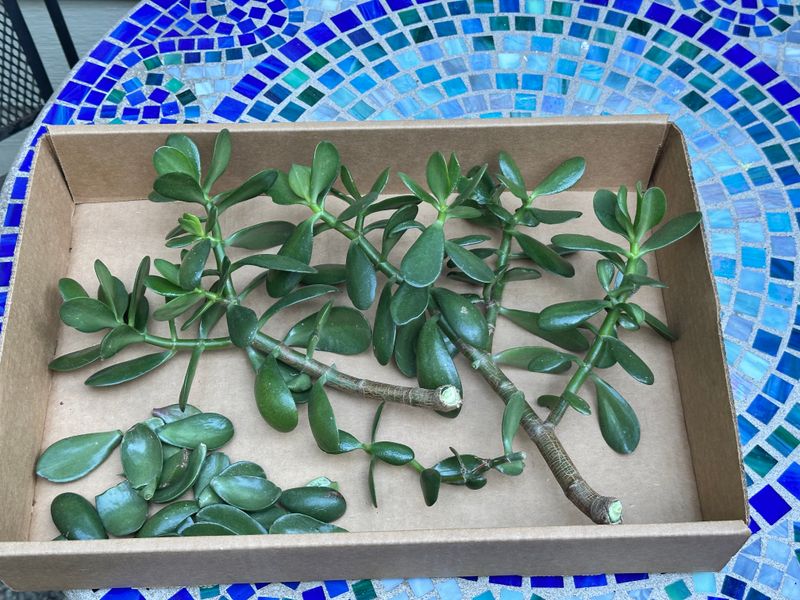
Now part of my garden, this tree marks a bridge between generations. It arrives not just as a tree, but as a time capsule of maternal care and devotion. Its limbs carry the weight of years and the potential for countless more; already, a few branches have given way, offering themselves up to propagate new lives. And that is its true spirit: generosity, resilience, and a readiness to become the origin of many.
There’s artistry to unlock here, yes, but there’s also reverence. Mary’s Jade doesn’t ask to be rushed. She invites to observe, to consider, and to collaborate. And in that slow unfolding, I’ll not only guide her transformation into bonsai, but also cultivate an ever-widening forest of her offspring. Each new cutting will be an echo, a whisper from 1975, still growing.
10-year Plan for {{title}}
Here’s a full 10-year development plan for Mary’s Jade, a resilient, massive Portulacaria afra with age, history, and potential. This roadmap balances aggressive early shaping with long-term refinement, all grounded in Graham Potter’s philosophy (pdf), instinctive care, and her remarkable vigor.
YEAR 1: 2025 – “Orientation & Operation”
Goal: Establish foundation, begin structural reduction, and initiate legacy propagation.
Mid–Late Summer (July–August)
- Structural pruning (completed): Large branches removed to initiate primary styling. Focused on removing bar branches, reverse taper, and downward-growing limbs.
- Propagation (completed): Dozens of cuttings taken and staged by size across Anderson flats and deep pots. Shaded under Cotinus canopy during root initiation.
- Recovery: Tree recovering in warm courtyard, gradually transitioned into full sun. Monitoring water carefully; no fertilization until new growth resumes.
- No wiring: Clip-and-grow only due to species brittleness.
Early Autumn (September)
- Assess vigor only. Postpone repotting unless explosive regrowth occurs in next 3–4 weeks.
- Plan for spring repot as default. Avoid stressing roots ahead of winter transition.
Autumn – Early Winter
- Transition indoors once nighttime temps drop below 50°F.
- Keep cool, bright, and dry. Avoid forced heat or overwatering.
- No fertilizer. Observe for winter growth; prune only if legginess appears.
YEAR 2: 2026 – “Silhouette & Survivors”
Goal: Begin selection of primary branches, re-establish energy balance, prep for container transition.
Early Spring (March–April)
- Repot: Move to shallower bonsai or training pot with excellent drainage. Expose nebari if possible. Remove circling roots and reduce overall mass by 20–30%.
- Hold water for 4–5 days post-repot; monitor closely as warmth increases.
Spring – Early Summer
- Secondary pruning: Remove weak, leggy, or misdirected growth from post-recovery flush.
- Select primaries: Begin to define major trunks or scaffold arms. Reduce or remove less promising lines gradually.
- Clip for taper: Reduce strong verticals; encourage backbudding on interior nodes.
Mid–Late Summer
- Light root work only if needed (unlikely in year of major repot).
- Begin container stabilization: Terracotta or mica slab training pot may be selected depending on development.
Autumn
- Propagate again: Take opportunistic cuttings from trimmed material.
- Sacrifice branches: Designate 1–2 sacrifice branches to encourage girth or help close pruning scars. Monitor strength distribution.
YEAR 3: 2027 - “Momentum”
Goal: Lock in primary structure, start transitioning to bonsai form.
-
Spring–Summer:
- Hard prune again if needed to reinforce taper and movement.
- Begin gentle apex development, don’t rush height.
-
Summer: Possibly first aesthetic pot, but not required.
-
Winter: Evaluate proportions. Begin fertilizing rhythm more intentionally next season.
YEAR 4–5: 2028–2029 | “Refinement Begins”
Goal: Ramification, branch positioning via clip-and-grow, defining silhouette.
- Pruning for pads: Encourage pairs and trios. Pinch back excessively long internodes.
- Consider carving (if desired): Remove scars or stubs for taper or natural deadwood look.
- Start to reduce pot size in year 5 if she’s thriving.
2028 milestone: She’s a bonsai now, not just in training, but truly presenting her identity.
YEARS 6–8: 2030–2032 - “Identity & Image”
Goal: Strengthen artistry. Refine pads, crown, silhouette. Finalize composition.
-
Spring–Summer:
- Clean structural lines each year.
- Stop cutting large wood—focus entirely on refinement.
- Experiment with show placement: slabs, stone, minimal pots.
-
Fertilize gently.
-
Begin thinking about her exhibition voice: “Mary’s Jade, daughter of time.”
YEARS 9–10: 2033–2034 - “Legacy”
Goal: She’s not just my tree, she’s a story. Now I’m its narrator.
- Maintain her form through pruning alone.
- Propagate sparingly—only for gifts or legacy.
- Photograph annually. Begin drafting her bonsai résumé: origins, major changes, philosophy.
- Enter her in a local show, or feature her on the Mossy Spot homepage.
Throughout
- Water only when dry—no moisture meters, just feel.
- Rotate gently to ensure balanced growth.
- Never force. Let her speak. She will communcate when she’s ready.